


Blog list
Dunkirk Vision Blog
Learn more about optometrist care in our blog!

Dry eye is a common condition that happens when your eyes do not produce enough tears or when your tears do not work properly. Healthy tears are important for clear vision, comfort, and protecting the surface of the eye. When the tear film becomes unstable, it can lead to irritation, blurry vision, and ongoing discomfort. We help patients understand the cause of their dry eye symptoms and recommend treatment options based on their needs.

Hours spent looking at computers, smartphones, and tablets can leave your eyes feeling tired, but for some people, the effects go beyond temporary eye strain. Frequent headaches, neck tension, tired eyes, and difficulty concentrating may be connected to how the eyes work together during close-up tasks. At Dunkirk Vision, we offer Neurolens contoured prism technology to help patients in Dunkirk and throughout Southern Maryland find greater visual comfort.

Diabetes can affect many parts of the body, including the eyes. Diabetic retinopathy develops when elevated blood sugar levels damage small blood vessels in the retina, potentially causing changes that threaten vision. At Dunkirk Vision, we help patients in Dunkirk, MD monitor their retinal health close to home with advanced diagnostic technology, including iVue OCT retinal imaging.

Contact Lens Safety Month is a helpful reminder to review how you wear, clean, and care for your lenses every day. Even small mistakes can lead to irritation, dryness, blurry vision, or eye infections.
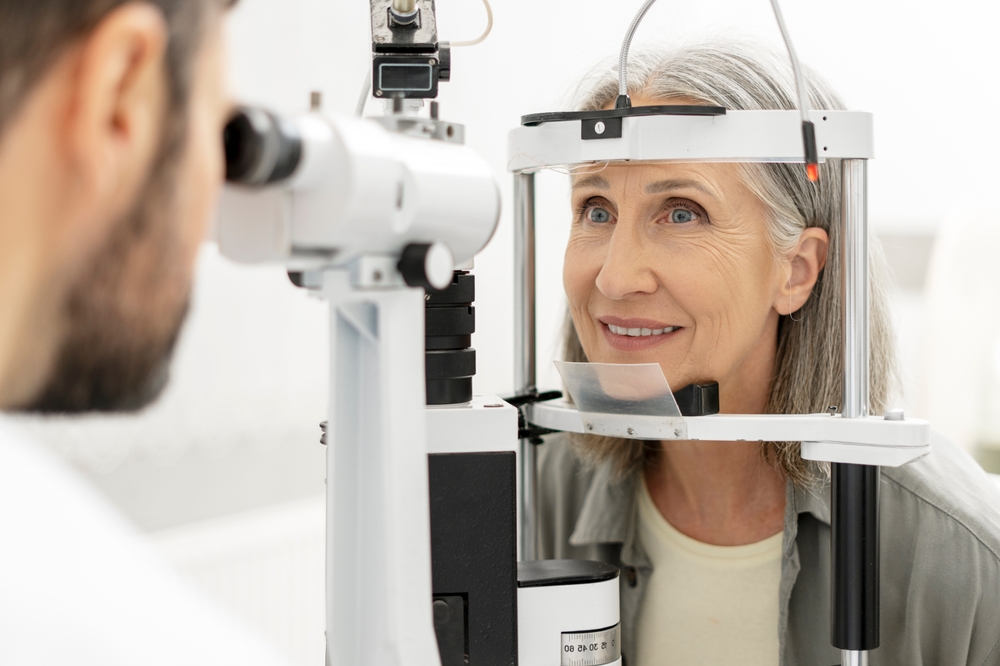
Cataracts are a common vision condition that can develop gradually over time. Because early symptoms may be subtle, many people do not realize their vision is changing until daily tasks become more difficult. Knowing the early signs of cataracts can help you schedule an eye exam before the condition begins to affect your comfort, safety, and quality of life.

Healthy Aging Month is a good reminder that caring for your eyes is an important part of supporting your overall health. As we get older, changes in vision can happen gradually, and some eye conditions may develop without obvious symptoms at first. Regular eye care helps protect your sight, detect concerns early, and keep your vision as clear and comfortable as possible.
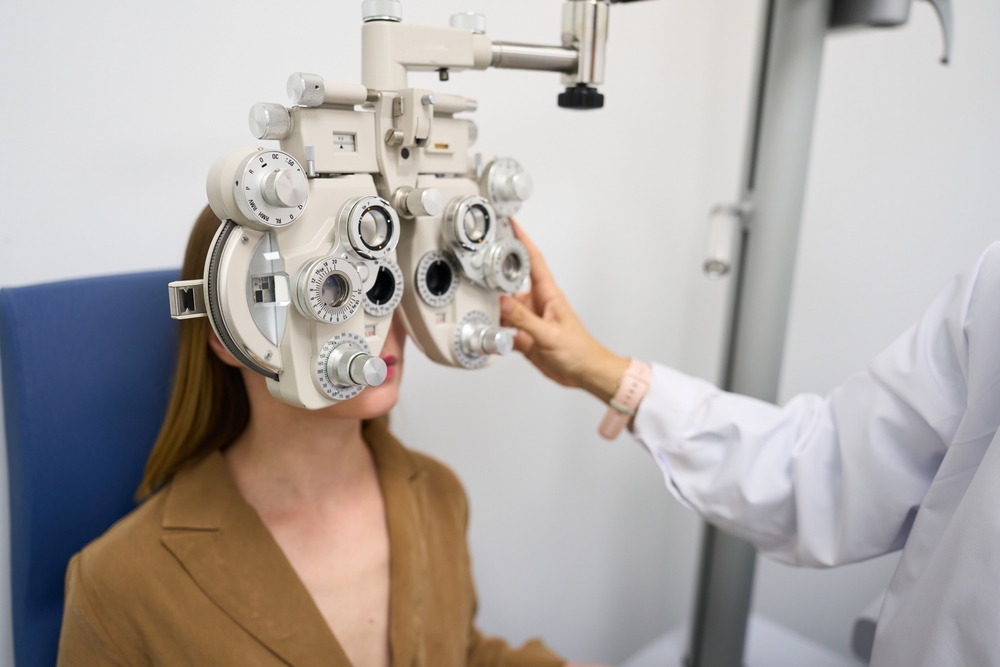
Vision screenings and comprehensive eye exams both help identify vision concerns, but they are not the same. A vision screening is a basic check that may detect possible signs of a problem, while a comprehensive eye exam gives a more complete look at your vision, eye health, and overall visual function.

A retinal screening gives us a closer look at the health of the structures responsible for clear, lasting vision. At Dunkirk Vision, we use iWellness Retinal Screening to capture detailed images of the retinal layers with Spectral Domain Optical Coherence Tomography, or SD-OCT. Unlike a standard vision check that focuses on how clearly you see, this technology helps us evaluate what is happening beneath the surface of the retina.

As students prepare for a new school year, backpacks, supplies, and schedules often get most of the attention. However, clear vision is just as important for classroom success. A back-to-school eye exam helps make sure a child can see comfortably, focus clearly, and keep up with daily learning demands.
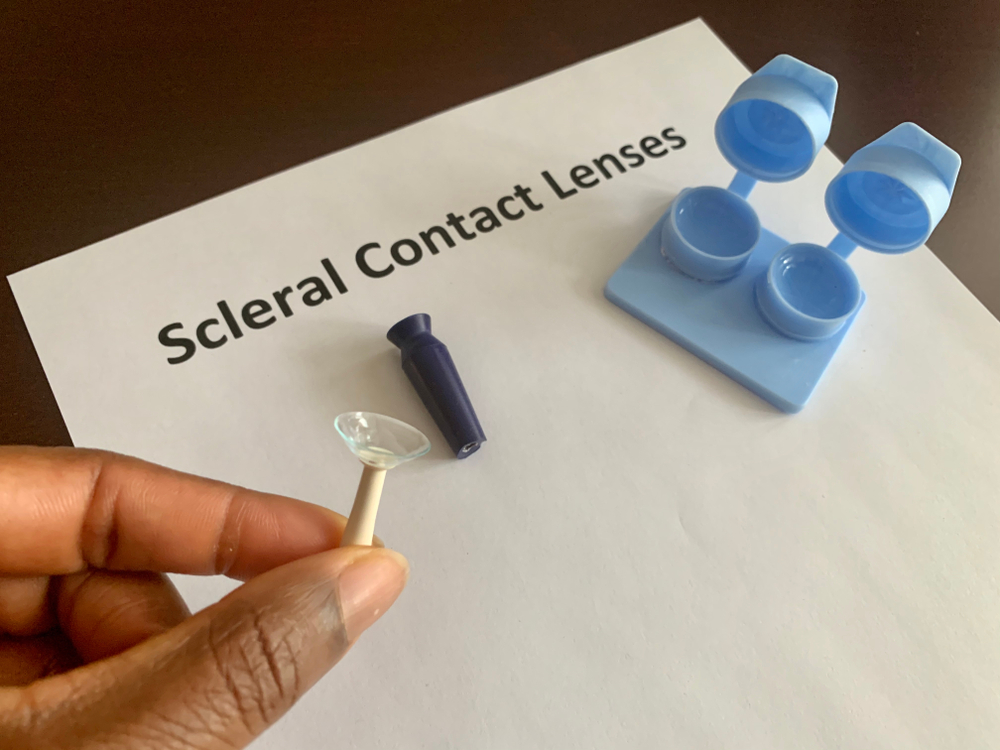
Contact lenses are not one-size-fits-all. Standard soft contacts work well for many people, but they may not provide stable vision or lasting comfort when the cornea has an irregular shape or the eyes are affected by significant dryness. In these cases, scleral lenses may offer a more personalized solution. Understanding how scleral lenses differ from standard contacts can help you prepare for a specialty lens fitting in Dunkirk.


Office Hours
- Monday 9:00am - 5:00pm
- Tuesday 9:00am - 5:00pm
- Wednesday 9:00am - 7:00pm
- Thursday 9:00am - 1:00pm
- Friday 9:00am - 5:00pm
- Saturday Open select Saturdays by appointment only
- Sunday Closed
© 2026 Dunkirk Vision | All rights Reserved | Accessibility Statement | Privacy Policy | Sitemap
Powered by:
