


How Early Detection Can Slow Down Myopia Progression

Myopia is becoming increasingly common in children. While many parents assume that glasses alone are enough to manage their child’s vision, early detection plays a much bigger role in protecting long-term eye health. Understanding how myopia develops and how to catch it early can make a significant difference in your child’s vision for years to come.
Why Early Detection Matters
Myopia tends to worsen as a child grows. Without monitoring and early intervention, the condition can progress rapidly, increasing the risk of long-term complications such as retinal detachment, glaucoma, or early cataracts later in life.
Regular pediatric eye exams in Dunkirk allow eye doctors to identify the earliest signs of myopia - even before academic or visual struggles begin. When myopia is caught early, personalized treatment plans can be started sooner, helping slow progression and protect your child’s vision.
Signs Your Child May Be Developing Myopia
Many early signs of myopia can be subtle. Parents often notice symptoms such as:
• Squinting to see distant objects
• Sitting very close to screens or holding books close
• Complaints of headaches or tired eyes
• Difficulty seeing the board at school
• Loss of interest in outdoor activities due to unclear distance vision
Even if symptoms are not obvious, annual eye exams remain the most reliable way to detect early myopia.
How Myopia Management Works
Modern myopia management in Dunkirk goes far beyond traditional glasses. These treatments are designed not just to correct vision, but to slow the rate at which myopia worsens. Common options include:
• Specialized Contact Lenses: Therapeutic contacts like MiSight® or orthokeratology (Ortho-K) lenses gently reshape how light enters the eye, helping control myopia progression.
• Atropine Eye Drops: Low-dose atropine eye drops, used nightly, have been shown to reduce how quickly a child’s vision prescription increases.
• Lifestyle Recommendations: Increasing outdoor time, taking breaks from screens, and building healthy visual habits can support long-term vision health.
When started early, these methods can significantly slow myopia progression, helping preserve clearer vision as your child grows.
What to Expect During a Pediatric Myopia Evaluation
A comprehensive pediatric eye exam includes tests that go deeper than a standard vision screening. At Dunkirk Vision, these evaluations may include:
• Measuring prescription changes
• Examining eye length (a key indicator of myopia progression)
• Assessing eye focusing and alignment
• Reviewing visual habits, family history, and lifestyle factors
From there, a personalized myopia management plan is created based on your child’s unique needs.
Start a Personalized Myopia Management Plan
Myopia is one of the most common vision conditions in children, but early detection can make all the difference. With routine pediatric eye exams in Dunkirk and a tailored management plan, parents can help their children enjoy clearer, healthier vision throughout childhood and beyond.
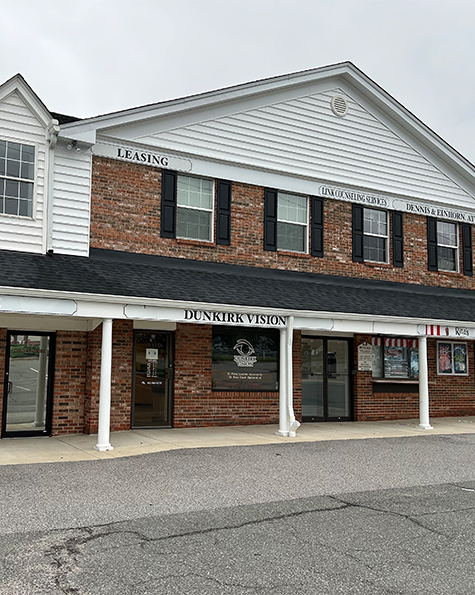
If you’re concerned about your child’s vision, schedule a pediatric eye exam at Dunkirk Vision to learn more about myopia management options. Visit our office in Dunkirk, Maryland, or call (443) 964-6730 to book an appointment today.



Office Hours
- Monday 9:00am - 5:00pm
- Tuesday 9:00am - 5:00pm
- Wednesday 9:00am - 7:00pm
- Thursday 9:00am - 1:00pm
- Friday 9:00am - 5:00pm
- Saturday Open select Saturdays by appointment only
- Sunday Closed
© 2026 Dunkirk Vision | All rights Reserved | Accessibility Statement | Privacy Policy | Sitemap
Powered by:
